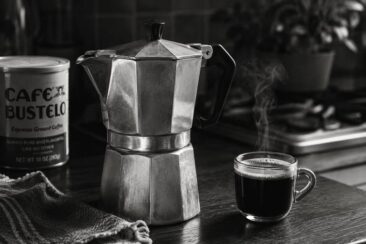
Moka pot coffee should taste like a thick, bittersweet espresso poured straight from a hob in Naples.
Most of the time it tastes burnt, watery, or sour instead.
The fix is almost never the pot itself, and almost always the coffee going into it.
This guide compares seven Italian blends that brew well in a stovetop moka, with flavor notes, roast levels, and tips so the cup matches the bean.
Every pick was chosen for how it handles the pressure, heat, and short extraction time inside a moka pot.
Top 7 Coffee Brands for Moka Pot
Quick Recommendation
For a fast pick, the product list below covers everything by name, with deeper reviews under the table.
- Smooth, creamy Italian roast with cocoa undertones: Lavazza Crema e Gusto Ground Coffee
- Pressurized cans of 100% Arabica with caramel and floral notes: illy Classico Moka Coffee
- Balanced Arabica-Robusta blend with bread crust and biscuit notes: V Vescovi Grani D’oro Five Stars
- Medium roast 100% Arabica whole bean for versatile brewing: Lavazza Espresso Italiano Whole Bean Coffee Blend, Medium Roast
- Classic stovetop ground from the brand that invented the moka pot: Bialetti Caffe Italian Roasted
- Intense 70/30 blend with spice and sandalwood: Bristot Moka Oro Ground Coffee
- Whole bean Italian blend with spice and dark cocoa: Pellini No.82 Vivace Roasted Coffee Beans
Comparison Table
| Coffee | Flavor | Roast | Form |
|---|---|---|---|
| Lavazza Crema e Gusto Ground Coffee | Cocoa, spice | Dark Roast | Ground |
| illy Classico Moka Coffee | Caramel and chocolate | Medium Roast | Ground |
| V Vescovi Grani D’oro Five Stars | Bread crust, chocolate, biscuit | Medium Roast | Whole Bean |
| Lavazza Espresso Italiano Whole Bean Coffee Blend | Fruity and floral | Medium Roast | Whole Bean |
| Bialetti Caffe Italian Roasted | Floral, dried fruits | Medium Roast | Ground |
| Bristot Moka Oro Ground Coffee | Spice, caramel, sandalwood | Medium Roast | Ground |
| Pellini No.82 Vivace Roasted Coffee Beans | Spice, dark cocoa | Medium Roast | Whole Bean |
1. Lavazza Crema e Gusto Ground Coffee
Smooth, creamy Italian roast with cocoa undertones.

- CREMA E GUSTO: An 8.8 oz ground coffee bag ideal for espresso and drip preparation. (Pack of 2)
- INTENSITY AND ROAST: With a 7/10 intensity, this well-rounded medium roast offers a full-bodied…
Highlights
- Dark roast for a bold, chocolatey cup
- Pre-ground at a moka-friendly size
- Made by Lavazza, a Turin roaster with over 120 years of blending history
- Sold in two 8.8 oz / 250 g tins for shelf life after opening
- Creamy mouthfeel that holds up under milk
Lavazza Crema e Gusto sits in a small club of supermarket Italian blends that punch well above their price.
The recipe pairs Brazilian Arabica with African and Indonesian Robusta, which is why the cup carries cocoa heaviness without sliding into sour.
In a moka pot, that Robusta share is doing real work, giving the brew a thicker body and a little extra crema at the spout.
The ground size out of the tin is close to a fine table-salt feel, which suits a moka basket without packing too tight.
Black, it tastes like dark chocolate with a peppery finish; cut with steamed milk, it leans into caramel.
This was picked as the top option for moka pot brewing since it forgives small mistakes in heat, dose, and timing better than most single-origin Arabicas.
Pros
- Bold, full-bodied flavor with a cocoa edge
- Smooth, creamy texture from the Arabica/Robusta blend
- Works in moka pots, drip machines, and pour-over
- Easy to find and reasonably priced
Cons
- Too dark for fans of light, fruit-forward roasts
- Tins can lose seal pressure once opened
- Grind consistency varies slightly between batches
This blend suits Italian-style coffee drinkers who want a no-fuss daily cup.
2. illy Classico Moka Coffee
Pressurized cans of 100% Arabica with caramel and floral notes.

- Roasted with Precision: Our high quality, medium roast ground moka coffee is mild and balanced with…
- Pre-Ground for Moka: We pre-grind our beans in a distinct manner just for you to pair perfectly with…
Highlights
- Medium roast 100% Arabica blend with a soft, balanced cup
- Pre-ground for espresso machines and moka pots alike
- Caramel notes with hints of orange blossom and jasmine
- Roasted by illy, a Trieste house with decades of direct-trade sourcing
- Pressurized cans that lock in aroma until opening
illy Classico is the cleanest-tasting can you can pull off a shelf without ordering from a roastery.
The blend brings together nine Arabica origins, and the result tastes light, floral, and almost tea-like for a medium roast.
Inside a moka pot, the grind is set on the finer side of medium, which yields a syrupy stream and a slight tan crema at the top.
Black, it leans toward caramel and toffee; with a splash of milk, the floral side of the blend opens up.
The pressurized can keeps the grounds fresh for months after roasting, which matters more than most brand claims do.
It ranks second for moka pot brewing since it tastes wonderful but costs roughly twice what supermarket peers do per ounce.
Pros
- Sourced through long-term grower partnerships
- Consistent grind across cans
- 100% Arabica, no Robusta filler
- Soft, balanced flavor with caramel and floral notes
Cons
- Sold in 8.8 oz cans only
- Light for drinkers who prefer dark Italian roast
- Higher price than most supermarket Italian grounds
This pick suits drinkers who want a clean, sweet cup without bitterness.or!
3. V Vescovi Grani D’oro Five Stars
Balanced Arabica-Robusta blend with bread crust and biscuit notes.

- 🌱 Composition – 85% Arabica and 15% Robusta, blended to highlight aroma, enhance crema, and…
- 🔥 Roast Level – Medium / Full City roast brings out sweetness and body while preserving the…
Highlights
- Medium-roasted whole bean for fresh stovetop grinding
- 85% Arabica, 15% Robusta for body without harshness
- Made in Italy by Procaffe S.p.A.
- Bitterness scored low (3/10), sweetness rated 7/10
- Carries notes of bread crust, biscuit, and dark chocolate
V Vescovi Grani D’oro Five Stars is the choice for moka pot drinkers who want something a step beyond supermarket Italian.
The 85/15 Arabica-to-Robusta ratio sits at the sweet spot for stovetop brewing, where pure Arabica can feel thin and pure Robusta can feel harsh.
Beans come mainly from Brazil and Central America, with a touch of India Parchment Kaapi Royale from the Karnataka highlands.
Out of the moka, the cup tastes like toasted bread crust folded over biscuit and a dab of dark chocolate.
Sweetness lands around 7/10 with a matching red-fruit acidity that keeps the finish lively rather than flat.
This is the buy when premium Italian espresso beans are the goal but the budget needs to stay sane.
It ranks third since grinding fresh is needed to get the most from it, which adds a step that pre-ground tins skip.
Pros
- Smart Arabica-Robusta ratio for moka pot bodies
- Multi-region sourcing brings layered flavor
- Low bitterness score makes it forgiving on hotter stoves
- European format roast date for tracking freshness
Cons
- Medium roast may read mild to dark-roast fans
- European best-by date format can confuse U.S. buyers
- Robusta share raises caffeine a notch above pure Arabica
This blend suits drinkers chasing a full-bodied, layered cup from a stovetop.
4. Lavazza Espresso Italiano Whole Bean Coffee Blend
Medium roast 100% Arabica whole bean for versatile brewing.

- INTENSITY AND ROAST: With a 5/10 intensity, this fragrant medium roast offers a sweet and aromatic…
- PREPARATION: Ideal for espresso machines, moka pot, drip coffee machines, or French press.

Highlights
- Medium roast 100% Arabica from Central and South America
- Whole bean form for fresh grinding at home
- Two-pound bag for steady weekly use
- Made in Italy by Lavazza
- Suits moka pot, espresso machine, drip, and French press
Lavazza Espresso Italiano is the brand’s everyday Arabica bag, the one Italian families keep in the cupboard for the home moka.
The roast lands solidly medium, with fruity and lightly floral aromatics that survive the heat of a stovetop brew.
Beans come from Central and South American farms, and the blend is Non-GMO with no additives in the bag.
In a moka, ground medium-fine right before brewing, the cup pours with a soft tan crema and tastes of brown sugar and stone fruit.
A two-pound bag stretches farther than the 8.8 oz tins most Italian brands sell, which lowers the per-cup cost over time.
For drinkers loyal to other Lavazza coffees in their moka, this is the bag to keep on hand.
Pros
- Premium 100% Arabica with no Robusta filler
- Works across moka, espresso, drip, and French press
- Fruity, floral notes that hold up to milk
- Larger bag size lowers the per-cup price
Cons
- Light body for fans of bold dark Italian roast
- Packaging design varies between regions
- Medium roast may feel too soft for espresso purists
This bag suits home brewers who grind fresh and want one bean for multiple brewing methods.
5. Bialetti Caffe Italian Roasted
Classic stovetop ground from the brand that invented the moka pot.

- 50% Arabica 50% Robusta – Carefully selected beans deliver mellow sweetness, balanced body, and…
- Versatile Brewing Options – Suitable for espresso machines, moka pots, French press, pour-over…
Highlights
- Medium roast with floral and dried-fruit notes
- 100% Colombian Excelso Arabica
- Ground at the right size for moka pot brewing
- Made by Bialetti, the inventor of the stovetop espresso pot
- Sold in 8.8 oz vacuum-sealed bricks
Bialetti Caffe Italian Roasted brings together two things that almost guarantee a good cup at home: a moka-friendly grind and the brand most fluent in moka pot extraction.
Beans are 100% Colombian Excelso Arabica, which is gentler and more aromatic than the harder African and Indonesian Robustas often used in Italian blends.
The grind out of the bag sits right in the medium-fine band that moka baskets like.
In the cup, the brew tastes of dried fig, jasmine, and a soft toast finish, with an intensity rating of about 7 out of 10.
Roasting times run longer than most supermarket grinds, which is what pulls those floral aromas out of the bean.
It ranks fifth on this list since the floral profile, lovely as it is, can read soft next to bold Italian classics like Bristot Moka Oro.
Pros
- 100% Colombian Excelso Arabica
- Grind matched precisely to moka pot baskets
- Longer roast time pulls out floral aromatics
- Bialetti backs it with 80+ years of moka brewing know-how
Cons
- May read too soft for dark-roast fans
- Higher intensity rating than light-coffee drinkers want
- One bag size only, with no whole-bean option
This bag suits drinkers who want an aromatic, gently fruity moka cup with no grinding step at home.
6. Bristot Moka Oro Ground Coffee
Intense 70/30 blend with spice and sandalwood.

- ☕ COMPOSITION: Expertly crafted blend of 70% Arabica and 30% Robusta beans from Brazil and India…
- 🔥 ROAST LEVEL: Medium roast, ideal for those who enjoy a harmonious cup with depth, sweetness…
Highlights
- Medium roast with intensity rated 9/10
- 70% Arabica and 30% Robusta blend
- Notes of spice, caramel, and sandalwood
- Made in Italy by Procaffe S.p.A.
- 8.8 oz / 250 g packs
Bristot Moka Oro is the cup you want when the bag of beans needs to wake up an entire house.
The 70/30 Arabica-to-Robusta split pushes the intensity past most Italian supermarket brands without tipping into burnt or ashy.
Spice and sandalwood notes sit at the front of the cup, with a long caramel tail and a heavy mouthfeel that lingers after the sip.
It works beyond the moka, with French press and pour-over giving softer but still potent versions of the same flavor.
Each 8.8 oz pack is artisan-roasted in batches, which keeps the spice notes sharper than larger industrial roasts can manage.
For drinkers who want a stovetop cup that hits like restaurant espresso, this is the bag to reach for.
Pros
- Authentic Italian ground with a steady spice profile
- Works across moka pots, French press, and pour-over
- High intensity with caramel rounding the bitterness
- 70/30 Arabica-Robusta split for body and bite
Cons
- Only one bag size at 8.8 oz
- Too intense for light-roast fans
- Higher caffeine load from the Robusta share
This bag suits the drinker who wants a strong moka cup with spice and depth.
7. Pellini No.82 Vivace Roasted Coffee Beans
Whole bean Italian blend with spice and dark cocoa.

- unique and exclusive blends, consisting only of quality ‘prized Arabica and Robusta selected…
- specific to each roasting single origin in order to bring out the flavor profile.
Highlights
- Medium roast Arabica-Robusta blend
- Whole bean for fresh grinding at home
- Spice and dark cocoa flavor profile
- Made in Verona by Pellini, a family roaster since 1922
- Sold in a 1 kg bag for heavier weekly use
Pellini No.82 Vivace is the bean to keep on the counter when one moka brew a day is the household routine.
The Arabica-Robusta blend is roasted on the darker side of medium, with the cup leaning into spice, dark cocoa, and a clean almond finish.
Beans are sourced from single estates, then blended after roasting rather than before, which lets each origin keep its character.
A team of in-house tasters checks every batch, and the result is a bag that stays consistent from one purchase to the next.
Out of the moka, the brew pours dense, dark, and aromatic, with no trace of the sour edge that lighter blends can carry under high heat.
The 1 kg bag size lasts a typical home brewer 4–6 weeks if sealed tight, which is a sensible window for whole bean freshness.
This pick suits home brewers who grind fresh and want a steady Italian house bean for daily moka use.
Pros
- Premium Italian roasting from a Verona family house
- Single-estate sourcing before blending
- Bag size lowers per-cup price
- Clean spice and cocoa profile without harsh bitterness
Cons
- Limited availability in some U.S. regions
- Higher upfront price than supermarket brands
- Roast may feel strong for light-coffee drinkers
This bag suits drinkers chasing a premium Italian house bean for everyday moka pot brewing.
What to Look for in Coffee for Your Moka Pot
A moka pot rewards a few traits in the bag and punishes the rest, so the shortlist below covers what matters and why.
1. Medium-Fine Grind for Even Extraction
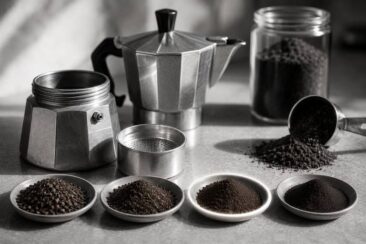
Stovetop brewers sit between drip and espresso machines on the grind chart, which puts the right size somewhere around table salt.
The perfect grind size for your moka pot is medium-fine, not the powder used in pump espresso and not the coarse setting used in French press.
Too fine and the water cannot pass through the puck, which builds pressure and bitterness.
Too coarse and the water runs straight through, which gives a thin, watery cup with no body.
Fresh grinding from whole bean delivers the truest version of this size, since pre-ground grounds settle and clump after a week in the bag.
2. Dark Roast for a Bold Flavor Profile
Dark roast beans give moka pot brewers the kind of bold, chocolatey cup the device is famous for.
Brands like Lavazza Crema e Gusto sit firmly in this band, with cocoa and pepper notes that survive the short, hot extraction.
Sweet dark notes from beans like Starbucks Caffè Verona pair well with a moka stream too, since the heat brings out their chocolate edge.
Pick dark roast when the morning calls for a thick, espresso-style cup that holds its own under a splash of milk.
3. Freshness of Beans for Peak Aroma and Taste
Freshness changes a moka cup more than most drinkers realize, since beans start losing aroma a week or two after roasting.
A roast date printed on the bag, ideally within the last 30 days, is the single best sign a bag will taste alive in the cup.
Whole bean stored in an airtight jar, ground right before brewing, holds onto flavor far longer than the same beans pre-ground.
Bags from roasters like Lavazza Super Crema and Lifeboost Embolden Dark Roast are reliable picks since both ship quickly after roasting.
Buying in smaller quantities that match weekly use beats stockpiling a 5 lb bag that sits open for two months.
4. Arabica and Robusta Blend Ratio
The Arabica-to-Robusta ratio in a bag shapes the cup as much as the roast level does.
Pure 100% Arabica brews soft, sweet, and aromatic, with little crema and a thinner mouthfeel under moka pressure.
A 70/30 or 80/20 Arabica-Robusta split adds body, lifts crema, and gives the cup the heavy texture most Italians expect from a stovetop pot.
Pure Robusta is rare outside Vietnamese-style blends, and the cup can taste rubbery without Arabica softening the bitter edge.
A 15% to 30% Robusta share is the band most Italian moka roasters target, and it shows in picks like V Vescovi Grani D’oro and Bristot Moka Oro.
5. Match the Bean to Your Taste
A moka pot is forgiving enough to handle nearly any roast or origin, so the shortlist of acceptable beans is wide.
Dark Italian blends give bold, chocolatey cups, and medium 100% Arabicas give softer, fruitier ones.
Single-origin beans bring out tasting notes the brewer can usually only pick up from pour-over or hand-pressed methods, which makes the moka a useful exploring tool too.
Adjust grind size and brew ratio in small steps when switching beans, since the same recipe rarely fits a Brazilian dark roast and an Ethiopian medium equally well.
Keep a short journal of bean, roast date, and brew time on the counter for two weeks, and a personal house coffee usually picks itself.
How to Brew Moka Pot Coffee at Home
Picking the right bag is half the work, and a clean brewing method does the other half.
Start by filling the bottom chamber with filtered water up to the safety valve, no higher, since water above the valve risks pressure problems.
Use roughly one part coffee to ten parts water by weight if a scale is on hand, which is the brew ratio favored by most moka pot testers.
Fill the metal funnel with medium-fine grounds, then level the bed with a finger or the back of a spoon without packing it down.
Screw the top half on tight, set the pot over medium-low heat with the lid open, and wait.
When the first dark stream gurgles into the upper chamber, lift the pot off the heat and let the final pour finish on its own.
Pour as soon as the bubbling slows, since leaving the pot on a hot burner past that point cooks the brew and brings out bitterness.
A short rest in the cup, about 30 seconds, lets the temperature settle and the spice notes lift before the first sip.
Common Mistakes That Make Moka Pot Coffee Bitter
Bitter moka pot coffee almost always traces back to four habits worth fixing.
The first is grind size: too fine and the water stalls in the basket, dragging extraction long past the sweet spot.
The second is heat: a roaring flame heats the metal faster than the water, and the brew scorches against the chamber walls before it ever reaches the cup.
The third is leftover oils: skipping the rinse between brews coats the inside of the pot with stale residue that turns the next cup sour.
The fourth is tap water: hard or chlorinated water carries flavors that fight the bean, and filtered water solves that for the cost of a jug.
Fix any one of these and the cup gets noticeably cleaner; fix all four and an everyday supermarket bag starts tasting like a café shot.
The Bottom Line
The right bag turns a moka pot from a fussy gadget into the easiest espresso-style brewer in any home kitchen.
Lavazza Crema e Gusto Ground Coffee is the safest first buy, since it forgives heat and grind mistakes better than almost anything else on the list.
Illy Classico Moka Coffee is the smarter pick for drinkers chasing a cleaner, sweeter cup with caramel and floral notes.
Pick a bag, grind it medium-fine, brew on low heat, and pour the moment the pot starts to gurgle, and tomorrow’s cup will taste better than today’s by a wide margin.