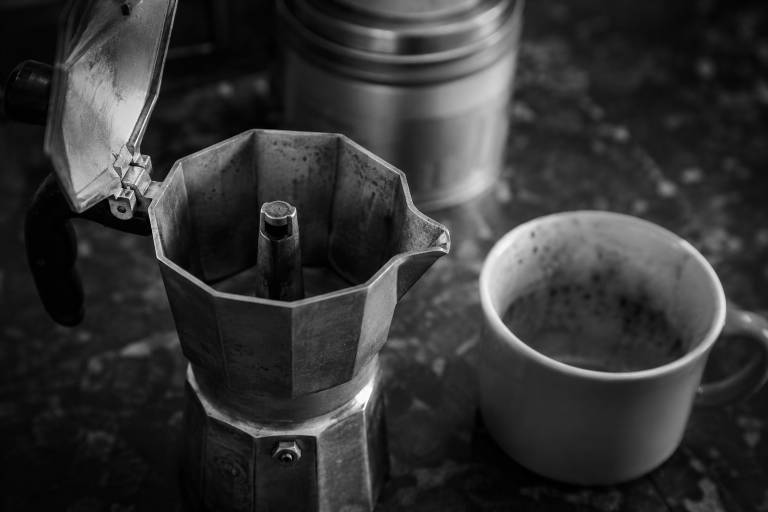
That sharp, tinny bite in your moka pot coffee is hard to ignore.
Instead of the smooth, full-bodied cup you expected, every sip leaves a metallic film on your tongue that overpowers the coffee underneath.
The good news: a metallic taste in moka pot coffee almost always comes from one of a few fixable causes, and most of them take less than 10 minutes to correct.
This article walks through each cause, from an unseasoned pot to mineral-heavy water, and gives you the exact fix for every one.
Quick Answer
Metallic taste in moka pot coffee usually comes from an unseasoned new pot, aluminum oxidation, hard water mineral deposits, or old coffee oil buildup on the chamber walls.
Season a new moka pot by running 2 to 3 brew cycles with throwaway coffee and discarding the output before your first real cup.
If the pot is older, a vinegar soak and proper cleaning routine will remove the buildup causing that metallic flavor.
Why Does Moka Pot Coffee Taste Metallic?
A metallic taste in moka pot coffee can come from the pot itself, the water, or residue left behind from previous brews.
New aluminum moka pots are the most common source of the problem, since manufacturing oils and metal residue sit on the interior walls straight from the factory.
Older pots develop a different version of the same issue: rancid coffee oils coat the chamber walls over months of use, and that stale layer flavors every new brew with a dull, metallic edge.
Hard water loaded with calcium and magnesium creates mineral scale inside the bottom chamber, and that scale leaches a distinctly bitter, tinny flavor into the coffee as steam pushes through it.
Overheating adds another layer to the problem by forcing water through the grounds too aggressively, pulling harsh compounds that taste sharp and metallic on the palate.
| Cause | What You’ll Taste | Most Likely If… |
|---|---|---|
| Unseasoned new pot | Sharp metallic bite, chemical aftertaste | Pot is brand new or recently scrubbed with soap |
| Aluminum oxidation | Dull, chalky, tinny flavor | Pot has white or gray film on interior walls |
| Rancid coffee oil buildup | Stale, bitter, metallic edge | Pot sits unused for weeks between brews |
| Hard water mineral deposits | Harsh, minerally, bitter finish | Tap water leaves white residue in kettles |
| Overheating during brewing | Burnt, sharp, acrid metallic notes | Coffee sputters violently instead of flowing steadily |
Identifying which cause matches your situation saves time and gets you to the right fix faster.
The next sections address each one with a specific solution.
How to Season a New Moka Pot and Remove Metallic Flavor
Every brand-new aluminum moka pot arrives with manufacturing residue on its interior surfaces: traces of machine oil, metal shavings, and processing compounds that taste sharp and chemical on the tongue.
Seasoning strips that residue away and builds a thin protective layer of coffee oils on the aluminum walls.
Disassemble the pot and wash every part with warm water and a small drop of mild soap. This is the only time soap should ever touch the inside of a moka pot.
Rinse each piece under running water for at least 30 seconds and dry everything with a clean towel.
Fill the bottom chamber with water up to just below the safety valve, add inexpensive coffee grounds to the filter basket without pressing them down, and assemble the pot.
Brew on medium-low heat and discard the coffee completely.
Repeat this brew-and-discard cycle 2 to 3 times, letting the pot cool between rounds.
Common Mistake Do not season with water only and no coffee grounds. Without grounds in the basket creating resistance, steam pressure forces boiling water out of the spout in an uncontrolled burst. Coffee grounds slow the flow and make the process safe.
The entire seasoning process takes about 30 minutes and only needs to happen once.
After seasoning, never use soap on the interior again, since soap strips away the protective oil layer and forces you to re-season from scratch.
A gentle rinse with warm water after each use is all a seasoned moka pot needs.
If you need a full walkthrough of the brewing process itself, our guide to using a moka pot covers every step from start to finish.
Why Overheating Creates a Metallic Bite in Your Coffee
Cranking the burner to high feels like the fastest path to coffee, but it produces the harshest cup.
Excessive heat forces water through the grounds too fast, pulling bitter tannins and astringent compounds that land on the tongue as a sharp, metallic sting.
You can hear the difference: a properly heated moka pot produces a quiet, steady hiss as coffee flows into the upper chamber, followed by a gentle gurgle at the very end.
An overheated pot skips straight to violent sputtering, and that sputtering sound means the coffee is already scorched.
Brew on medium-low heat and remove the pot from the burner as soon as the first gurgle begins.
On a gas stove, keep the flame small enough that it stays under the base without licking up the sides.
On an electric stove, preheating water in a kettle before pouring it into the bottom chamber cuts the time the pot spends on the hot element and protects the grounds from getting baked before brewing even starts.
That preheated-water trick is one of the single biggest improvements you can make for moka pot flavor, and our temperature guide explains exactly why it works.
Quick Tip Wrap a cold, wet towel around the base of the moka pot right after removing it from the stove. This stops the extraction instantly and prevents residual heat from continuing to push scorched, metallic-tasting coffee into the upper chamber.
How Hard Water Causes That Tinny Moka Pot Flavor
Water makes up more than 90% of your finished cup, so everything dissolved in it shows up in the taste.
Tap water with high levels of calcium, magnesium, and chloride leaves a distinct minerally, tinny flavor that coats the inside of your mouth.
Over time, those minerals deposit a white, chalky scale on the walls of the bottom chamber and around the safety valve, and that scale gets worse with every brew.
An easy test: look inside your electric kettle or the bottom chamber of your moka pot for white or off-white buildup along the waterline.
If you see it, mineral scale is contributing to the metallic taste.
Switch to filtered water for every brew. A simple pitcher-style carbon filter removes enough chlorine, calcium, and sediment to make a noticeable difference in the cup.
Do / Don’t
- Do use filtered or bottled water with a balanced mineral content
- Do descale the bottom chamber once a month if your tap water is hard
- Don’t use distilled water, which lacks the minerals needed for good extraction and can produce flat, hollow-tasting coffee
- Don’t ignore white scale buildup on the safety valve, since a clogged valve is a safety hazard
To descale, fill the bottom chamber with a 1:1 mix of white vinegar and water, let it sit for 30 minutes, then rinse thoroughly with clean water.
For stubborn buildup, a paste of baking soda and water applied with a soft cloth scrubs away residue without scratching the metal.
How to Deep Clean a Moka Pot with Metallic Buildup
Coffee oils cling to every interior surface of a moka pot: the chamber walls, the filter plate, the underside of the gasket, and the rim threads where the two halves screw together.
Fresh oils taste rich and smooth, but oils that sit for days or weeks turn rancid, leaving a stale, metallic bitterness that taints each new brew.
If your moka pot has a dark, oily sheen on the inside walls, or if you notice a sour smell when you unscrew the chambers, old oil buildup is the likely culprit.
Disassemble the pot completely: top chamber, bottom chamber, filter basket, filter plate, and rubber gasket.
Rinse every piece under warm running water, using a soft brush or old toothbrush to scrub the filter plate holes, the basket rim, and the threads.
For heavy buildup, soak all metal parts in a solution of equal parts white vinegar and warm water for 20 to 30 minutes, then scrub and rinse again.
Check the rubber gasket closely: if it looks cracked, stiff, or has a dark residue embedded in it, replace it.
A worn gasket traps old coffee oils in its grooves and slowly leaks them into every brew regardless of how well you clean the rest of the pot.
Cleaning checklist after every use:
- [ ] Disassemble all parts
- [ ] Rinse each piece under warm water
- [ ] Brush the filter plate holes to clear trapped grounds
- [ ] Wipe the gasket and check for cracks
- [ ] Dry every part completely before reassembling
- [ ] Store the pot disassembled so air circulates and moisture doesn’t get trapped
Storing a moka pot when it is still damp accelerates aluminum oxidation, which creates a gray, chalky film that adds its own metallic flavor to the coffee.
A pot that gets used every day stays naturally seasoned, and the regular flow of fresh coffee oils keeps the interior protected.
Pots that sit idle for weeks between uses are far more likely to develop the stale, rancid layer that causes metallic taste.
For more detailed moka pot brewing tips that keep your coffee tasting clean, check our full guide.
Does Aluminum or Stainless Steel Affect Metallic Taste?
The material your moka pot is made from plays a direct role in how likely it is to produce metallic-flavored coffee.
Aluminum is reactive, lighter, and conducts heat quickly, but it interacts with acidic coffee compounds and can leach a faint metallic flavor into the brew, especially when the pot is new or has lost its seasoning.
Stainless steel is non-reactive and more durable, but it is not completely immune: some people report a faint metallic note from certain stainless steel alloys, and forum discussions suggest this sensitivity varies from person to person based on individual taste perception.
| Feature | Aluminum Moka Pot | Stainless Steel Moka Pot |
|---|---|---|
| Metallic taste risk | Higher when new or unseasoned | Lower, but possible with some alloys |
| Seasoning needed | Yes, 2 to 3 cycles before first use | Recommended, 1 to 2 cycles |
| Heat distribution | Faster and more even | Slower, can create hot spots |
| Cleaning care | No soap, no dishwasher | More forgiving, still avoid dishwasher |
| Induction compatible | No (requires adapter) | Yes |
| Durability | Scratches and dents more easily | More resistant to wear |
If metallic taste persists after seasoning, cleaning, and switching to filtered water, the pot’s material might be the issue.
Our full aluminum vs stainless steel moka pot comparison breaks down the flavor differences and helps you decide if switching materials is worth it.
Can a Paper Filter Reduce Metallic Moka Pot Flavor?
Adding a small paper filter between the coffee grounds and the metal filter plate is a low-cost trick that some moka pot users swear by for cleaner-tasting coffee.
The paper catches micro-fine coffee particles and absorbs a portion of the oils that pass through the metal filter, producing a lighter, smoother cup with more flavor clarity and less of that heavy, metallic edge.
An AeroPress filter fits most 3-cup moka pot baskets without trimming, and a pack of 350 filters costs around $8 to $10.
To use one, place the paper filter on top of the coffee grounds in the basket, wet it lightly so it stays in place, then screw on the upper chamber as normal.
The trade-off is real, though. Paper strips away some of the body and richness that makes moka pot coffee distinctive, so the cup tastes closer to a pour-over than a stovetop espresso.
If you love the thick, oily intensity of unfiltered moka pot coffee, a paper filter removes exactly the qualities you enjoy.
Beginner Note Start by trying a paper filter for 2 to 3 brews and compare the taste side by side with your normal unfiltered method. This tells you whether the cleaner cup is worth the trade-off in body and richness before you commit to using one every day.
When Should You Replace a Metallic-Tasting Moka Pot?
Sometimes the problem is not technique, water, or cleaning habits.
A moka pot that has been in daily use for years eventually reaches the point where no amount of scrubbing will fix the flavor.
Deep pitting on the interior walls of an aluminum pot means the metal itself is degrading, and those tiny craters harbor bacteria, rancid oils, and oxidation that no vinegar soak can fully remove.
A safety valve that sticks, wobbles, or fails to release pressure properly is a sign the pot is past its safe working life.
Replace your moka pot if you notice any of these signs:
- [ ] Deep pitting or rough texture on the inside walls
- [ ] Persistent metallic taste after seasoning, cleaning, and using filtered water
- [ ] A gasket that no longer seals, even after replacement
- [ ] Visible corrosion or flaking metal anywhere on the pot
- [ ] A safety valve that does not move freely when pressed
A quality aluminum moka pot from a reputable brand costs $25 to $40 for a 3-cup or 6-cup model, and a well-maintained one should last 5 to 10 years of regular use before the interior degrades enough to affect flavor.
Investing in a replacement is cheaper than enduring metallic coffee every morning.
The Simplest Path to Clean Moka Pot Coffee
Metallic taste in moka pot coffee is one of the most common complaints, and it is one of the easiest to fix.
Season a new pot before the first real brew, clean it properly after every use, and switch to filtered water if your tap supply is mineral-heavy.
Control your heat so the brew flows steadily instead of sputtering, and store the pot disassembled and completely dry between uses.
If the flavor still tastes tinny after all of that, a paper filter or a switch to stainless steel gives you two more options before replacing the pot entirely.
Every fix in this article takes less than 30 minutes, and most of them cost nothing at all.