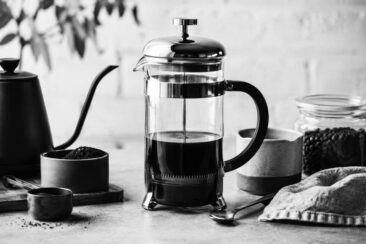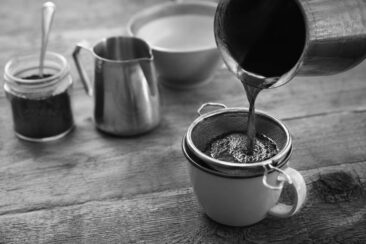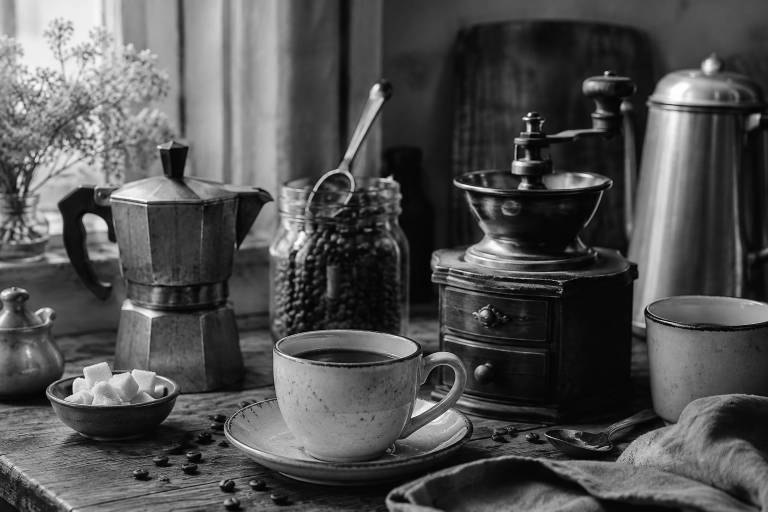
Coffee used to move at a different speed.
A pot took minutes to build, not seconds, and every step asked for a hand.
Old-school coffee habits grew out of that slower rhythm, long before pods and fast-lane pickup windows took over the morning.
Some of those habits came from necessity, like stretching a short coffee supply with a root vegetable.
Others came from a kitchen that only had a stovetop and a percolator, so that was simply how coffee got made.
This list walks through nine of those habits, the story behind each one, and how to bring it into a modern kitchen without buying anything strange.
Quick Answer
The most useful old-school coffee habits to bring back are hand-grinding beans right before brewing, using a stovetop percolator or a chicory blend, and slowing down enough to actually sit with the cup.
Start small: grind a day’s worth of beans by hand once this week and notice the difference in aroma alone.
The habits below range from five-minute upgrades to full weekend projects, so pick whichever one fits the kitchen you already have.
Grinding Beans by Hand Before Every Pot
Pre-ground coffee is a fairly recent convenience.
Before the 1970s, plenty of home cooks bought whole beans and cranked a hand grinder over the counter each morning.
The sound alone signaled that coffee was coming, a low rasping grind that filled the kitchen before the water even hit a boil.
Ground coffee starts losing its aroma within about 15 to 30 minutes of contact with air, so a bean ground fresh carries oils and volatile compounds that a pre-ground bag from three weeks ago simply cannot match.
A hand grinder costs somewhere between $20 and $60, and it takes roughly a minute of cranking to produce enough grounds for a single mug.
That minute buys a noticeably brighter cup, with more of the citrus or caramel notes a roaster intended showing up instead of a flat, dusty flavor.
Quick Tip Grind only what the next pot needs. Leftover ground coffee stales fast, even in a sealed container, so a small daily batch beats a large weekly one.
Brewing Coffee in a Stovetop Percolator
The percolator ruled American kitchens for most of the 20th century, long before drip machines became standard.
Water sits in the base, gets forced up a center tube, and splashes down over the grounds in a glass or metal dome, then drains back through the basket and repeats.
Watching that cycle through the little glass knob on top was part of the appeal, since a cook could judge strength by the color of the coffee bubbling up.
The repeated pass over the same grounds pulls out more of the bitter, metallic compounds than a single pass ever would, which is exactly why drip brewing eventually replaced it as the default.
That same trait makes a percolator worth reviving for a camping trip or a crowd, where a strong, no-nonsense cup matters more than delicate flavor notes.
| Method | Best for | Flavor result |
|---|---|---|
| Stovetop percolator | Camping, large groups, nostalgia | Bold, slightly bitter, full body |
| Drip machine | Everyday brewing, consistency | Balanced, cleaner acidity |
| Pour-over | Single cups, flavor detail | Bright, delicate, tea-like clarity |
Stretching the Pot With Chicory
Chicory root found its way into American coffee during the Civil War, when a Union naval blockade cut New Orleans off from its usual coffee shipments.
Locals began roasting and grinding the root of the chicory plant, then blending it with whatever coffee remained, and the mixture stretched a shrinking supply further than straight coffee alone could.
The war ended, the blockade lifted, and coffee came back, but New Orleans kept the habit anyway.
Roasted chicory adds a woodsy, slightly sweet undertone and a heavier body, closer to a dark caramel than a bitter root.
Café du Monde still serves it in a strong café au lait, cut with hot milk to soften the intensity.
A home version needs only a one-to-four ratio of chicory to ground coffee, brewed in whatever machine is already on the counter.
Beginner Note Chicory contains no caffeine on its own, so a chicory blend delivers a gentler jolt than the same volume of straight coffee.
Clearing Camp Coffee With an Eggshell
Cowboy coffee has one flaw: loose grounds floating in every sip once the pot comes off the heat.
Trail cooks solved that problem with a trick that still works, dropping a crushed eggshell into the pot right after the water reaches a boil.
Eggshells are made mostly of calcium carbonate, a mild alkaline material that can pull some of the sharp acidity out of coffee brewed at a rolling boil.
The shell adds weight and surface area that helps stray grounds clump together and sink, so the top of the pot clears and the sediment settles at the bottom.
Signs the pot is ready to pour usually include:
- A full rolling boil, followed by removal from direct heat.
- A four-minute rest so the grounds start settling.
- A crushed shell stirred in once, not repeatedly.
- A calm surface with no visible grounds swirling near the rim.
Clarifying a Crowd’s Coffee With Church-Basement Egg Coffee
Scandinavian immigrants brought a coffee habit to the American Midwest in the 1800s that still shows up at Lutheran church basements and the Minnesota State Fair.
Ground coffee gets mixed into a paste with a whole egg, shell included, then dropped into boiling water and simmered for a few minutes.
Egg proteins bind to the acidic and bitter compounds in coffee the same way they would clarify a stock, leaving the liquid smooth and largely free of grit.
The method solved a real problem for church cooks brewing for fifty or a hundred people at once from a single large urn, since straight grounds in that volume would have meant a gritty, over-extracted mess.
One egg handles roughly ten cups of coffee, which made the ratio easy to scale for a potluck or a fundraiser.
Fanny Farmer’s 1896 cookbook already noted the “rich flavor” that came from the egg, so the technique had a reputation long before it became a fairground novelty.
The payoff is a cup with almost no bitterness and a rounder, slightly creamy mouthfeel, closer to a cold brew than a boiled pot has any right to taste.
Quick Tip Strain the finished coffee through a fine mesh sieve before serving, since even a well-made batch leaves behind small bits of cooked egg white.
Taking a Real, Sit-Down Coffee Break
The phrase “coffee break” only entered everyday language in 1952, thanks to a $2 million ad campaign from the Pan-American Coffee Bureau urging workers to pause and drink a cup.
Before that campaign, stepping away from a desk or a factory line for ten minutes was often treated as slacking off rather than a normal part of the day.
The idea caught on fast, and by the end of the decade a large share of American businesses had written a formal coffee break into the workday.
That break asked for a chair, a full mug, and a few uninterrupted minutes, not a to-go cup carried between meetings.
Bringing the habit back does not require a company policy, just a decision to leave the desk, sit somewhere quiet, and drink the coffee before it goes cold.
Ordering Coffee Black or “Regular,” Nothing Else
Diner menus once offered exactly two ways to take a cup: black, or “regular,” meaning coffee with milk and sugar already stirred in.
That two-option system cut out the decision fatigue that comes with a modern menu board listing a dozen syrups and milk substitutes.
A server who worked the same counter every morning usually knew a regular’s order before they sat down, so the cup was already poured by the time they reached the stool.
Free refills, often called bottomless coffee, removed any pressure to finish quickly or leave.
Do:
- Order black coffee or coffee with milk and sugar, nothing else.
- Let the server pour a second cup without asking.
- Stay at the counter long enough to actually taste it.
Don’t:
- Turn a simple cup into a five-ingredient build.
- Rush a refill just to free up the seat.
Keeping the Pot on for Guests
A coffee pot brewing on the stove used to be a normal part of hosting, whether the visit was planned or a neighbor simply knocked on the door.
Coffee did not need an occasion, since a fresh pot was reason enough to sit down and talk for twenty minutes.
That habit turned coffee into a social object rather than a personal beverage, something poured for whoever showed up rather than brewed one mug at a time.
A percolator or a stovetop pot made this easier than a single-serve machine ever could, since it produced enough for four or five cups without any extra effort.
Reviving it at home can be as simple as brewing a full pot on weekend mornings instead of a single cup, so there is always enough for whoever wanders into the kitchen.
Drinking From Small Cups at the Table
A standard cup of coffee once meant six to eight ounces, poured into a cup meant to be finished hot, not carried around for an hour.
Today’s travel mugs and oversized tumblers hold two or three times that amount, often sipped over hours rather than minutes.
A smaller cup forces a different kind of attention, since there is less coffee to spread across a whole morning of errands.
Sitting at a table to drink it, rather than carrying it through a commute, turns a few ounces of coffee into an actual pause instead of background noise.
Common Mistake Filling a large mug “to get it over with” usually means the last third goes cold and bitter before it’s finished. A smaller pour stays hot enough to enjoy from first sip to last.
Bringing These Habits Into a Modern Kitchen
None of these old-school coffee habits demand a full kitchen overhaul or a trip to a specialty shop.
A hand grinder, a percolator, a bag of chicory, and a willingness to sit still cover most of what a coffee drinker from 1955 or 1865 would call a normal morning.
The common thread running through these old-school coffee habits is patience, since every one of them trades a few extra minutes for a cup that tastes more intentional.
A percolator costs less than most pod machines, and a hand grinder lasts decades longer than most electric ones do.
None of these old-school coffee habits ask for a subscription or an app, just a stove, a pot, and a few extra minutes in the morning.
Pick one habit this week, whether that means grinding beans by hand or simply sitting down with the mug instead of carrying it out the door, and the rest tend to follow once the slower pace starts to feel normal again.